
 TOTAL SOLAR ECLIPSE 2026 "THE GRAND SPANISH ECLIPSE" On August 12, 2026
TOTAL SOLAR ECLIPSE 2027 "THE LONGEST OF THE REST OF THE CENTURY" On August 2, 2027
ANNULAR SOLAR ECLIPSE 2028 "A SPECTACLE ON THE HORIZON" On January 26, 2028
TOTAL SOLAR ECLIPSE 2026 "THE GRAND SPANISH ECLIPSE" On August 12, 2026
TOTAL SOLAR ECLIPSE 2027 "THE LONGEST OF THE REST OF THE CENTURY" On August 2, 2027
ANNULAR SOLAR ECLIPSE 2028 "A SPECTACLE ON THE HORIZON" On January 26, 2028
TOTAL SOLAR ECLIPSE 2026 "THE GRAND SPANISH ECLIPSE" On August 12, 2026
TOTAL SOLAR ECLIPSE 2027 "THE LONGEST OF THE REST OF THE CENTURY" On August 2, 2027
ANNULAR SOLAR ECLIPSE 2028 "A SPECTACLE ON THE HORIZON" On January 26, 2028
TOTAL SOLAR ECLIPSE 2026 "THE GRAND SPANISH ECLIPSE" On August 12, 2026
TOTAL SOLAR ECLIPSE 2027 "THE LONGEST OF THE REST OF THE CENTURY" On August 2, 2027
ANNULAR SOLAR ECLIPSE 2028 "A SPECTACLE ON THE HORIZON" On January 26, 2028



ECLIPSE SOLAR total 2026

ECLIPSE SOLAR TOTAL 2028

Annular SOLAR ECLIPSE 2027
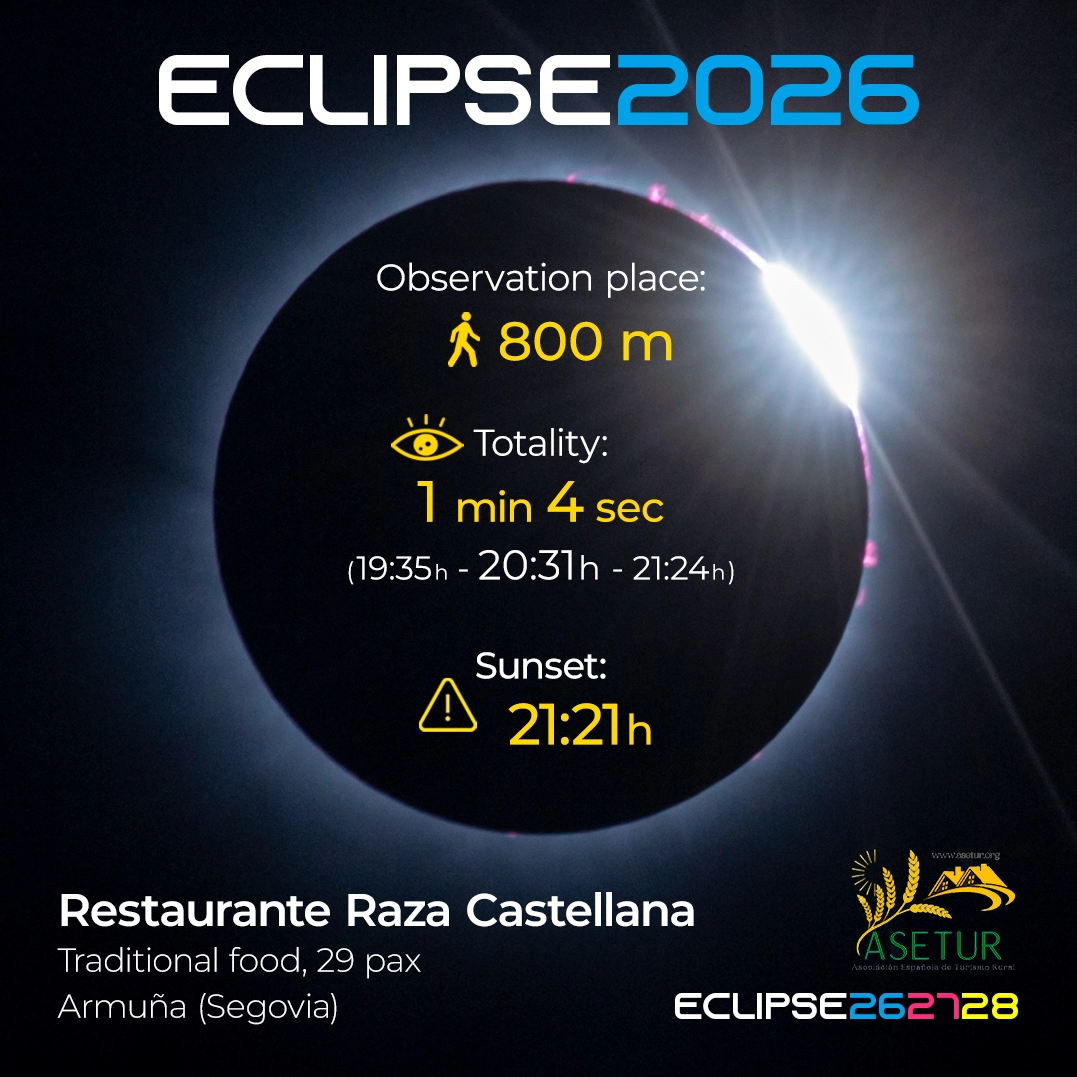
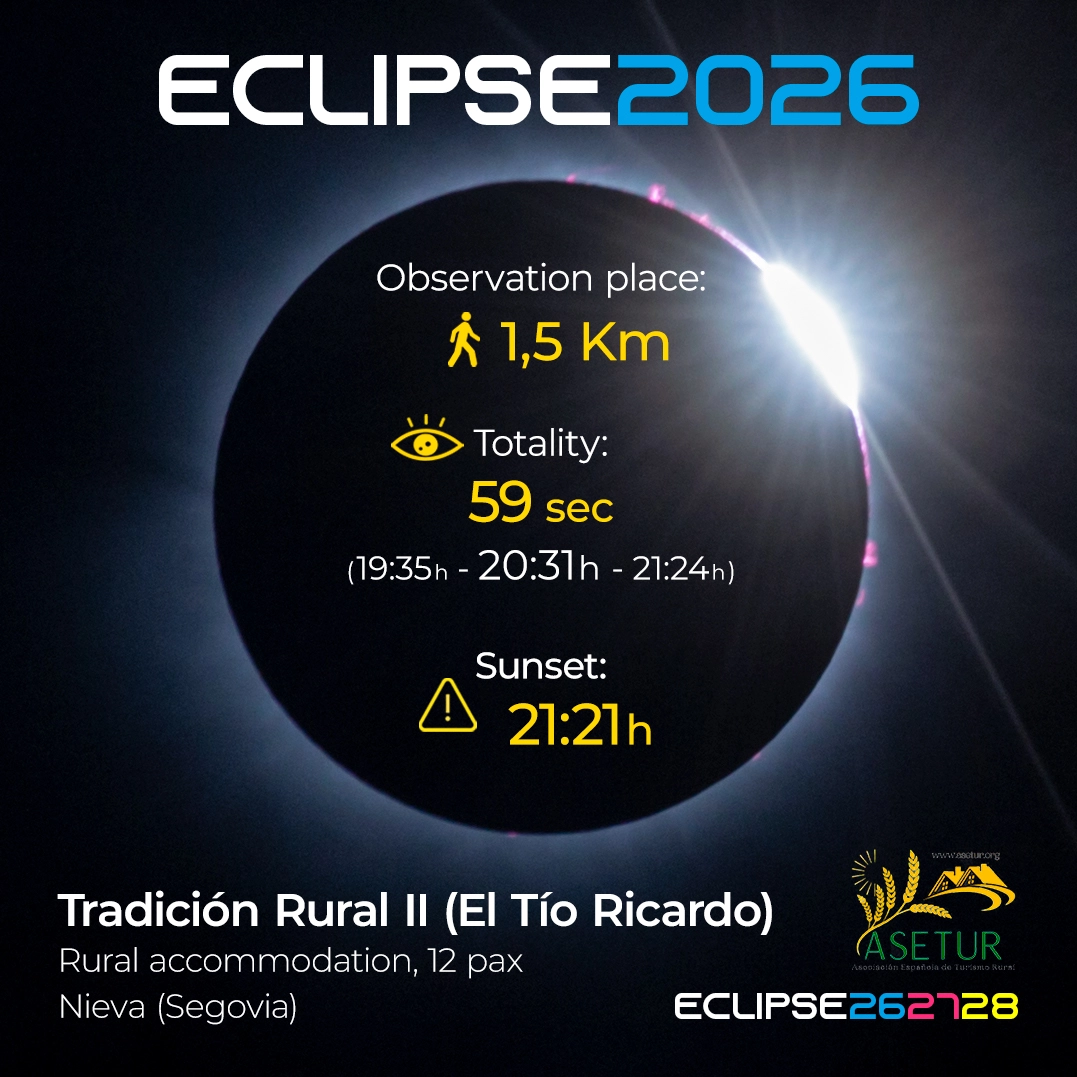
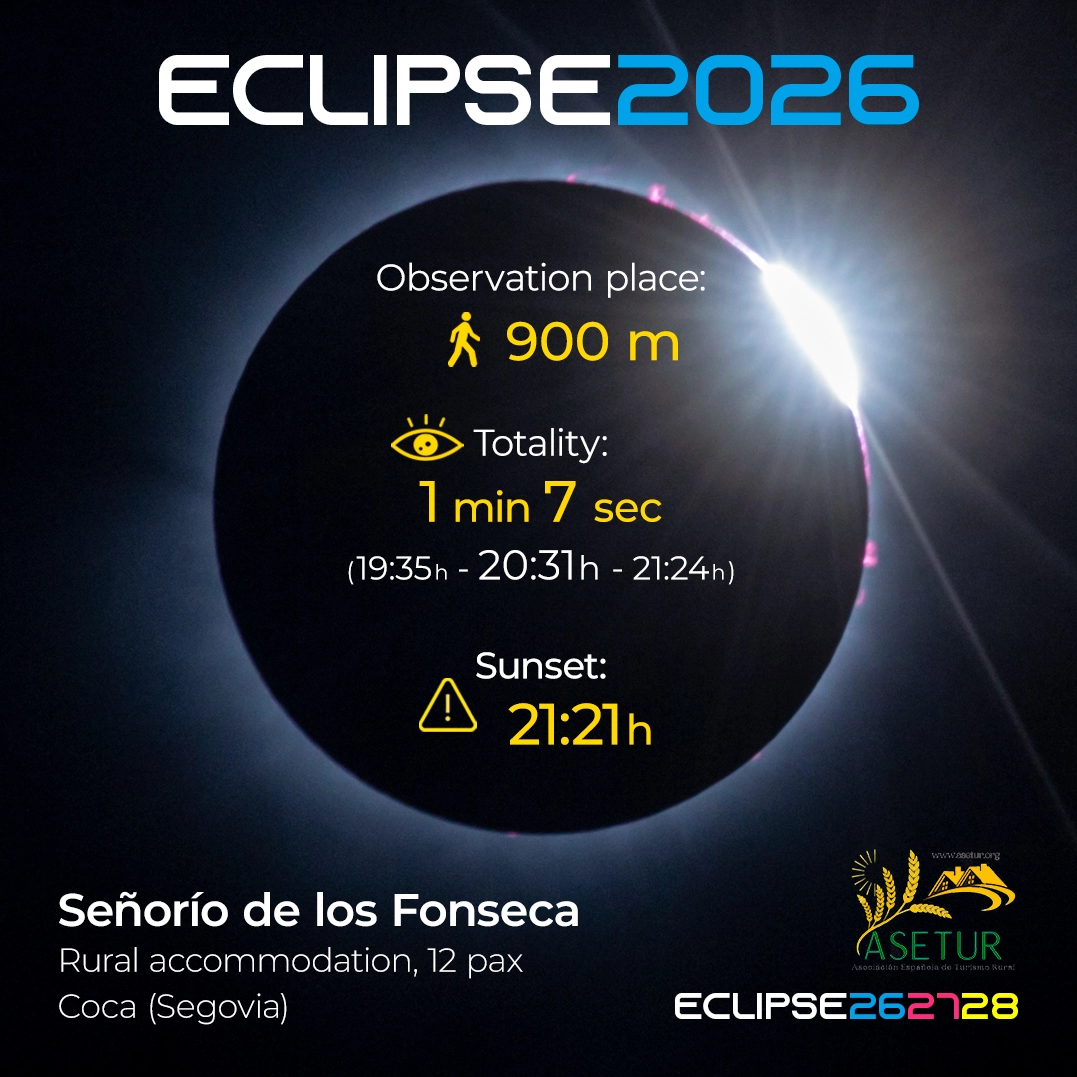
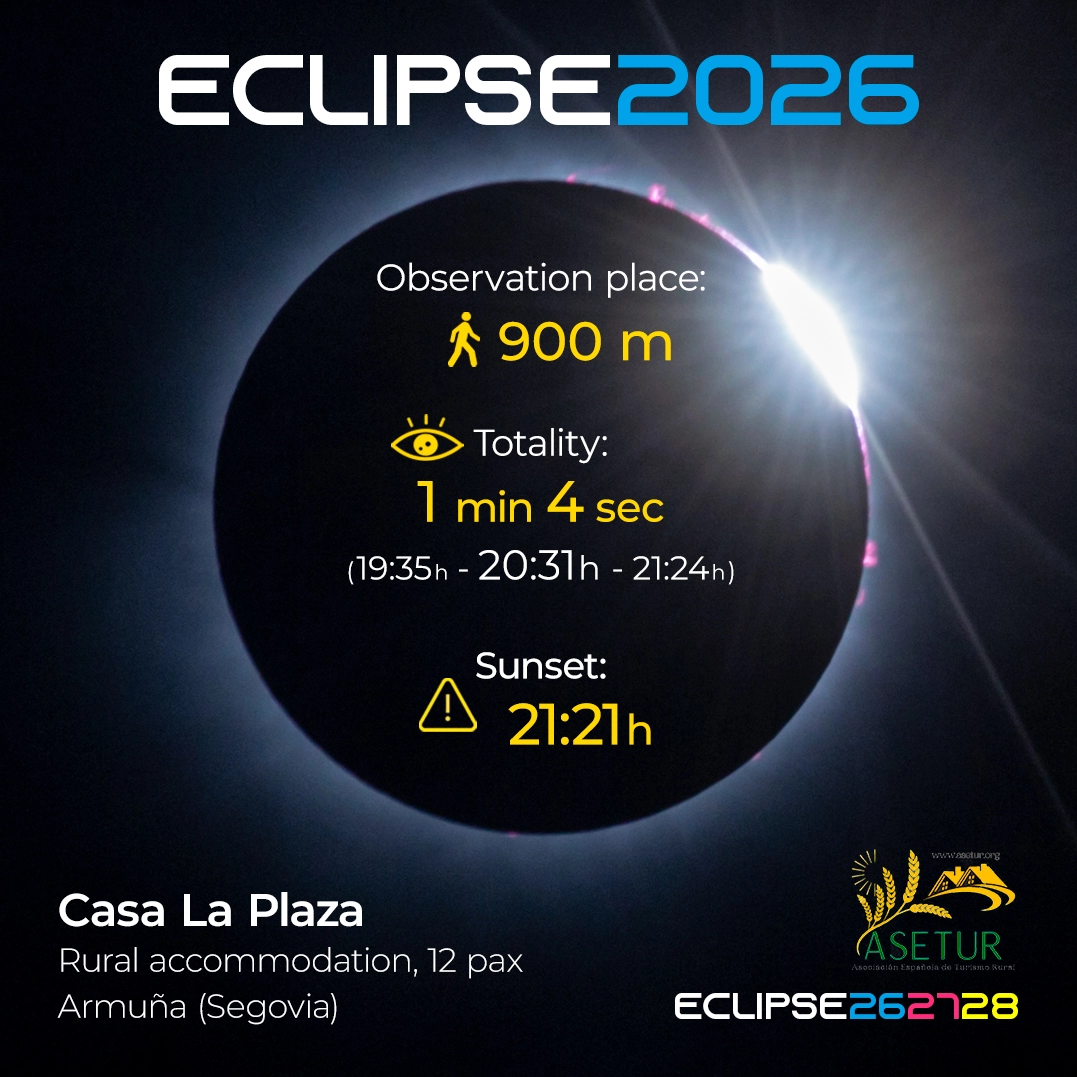
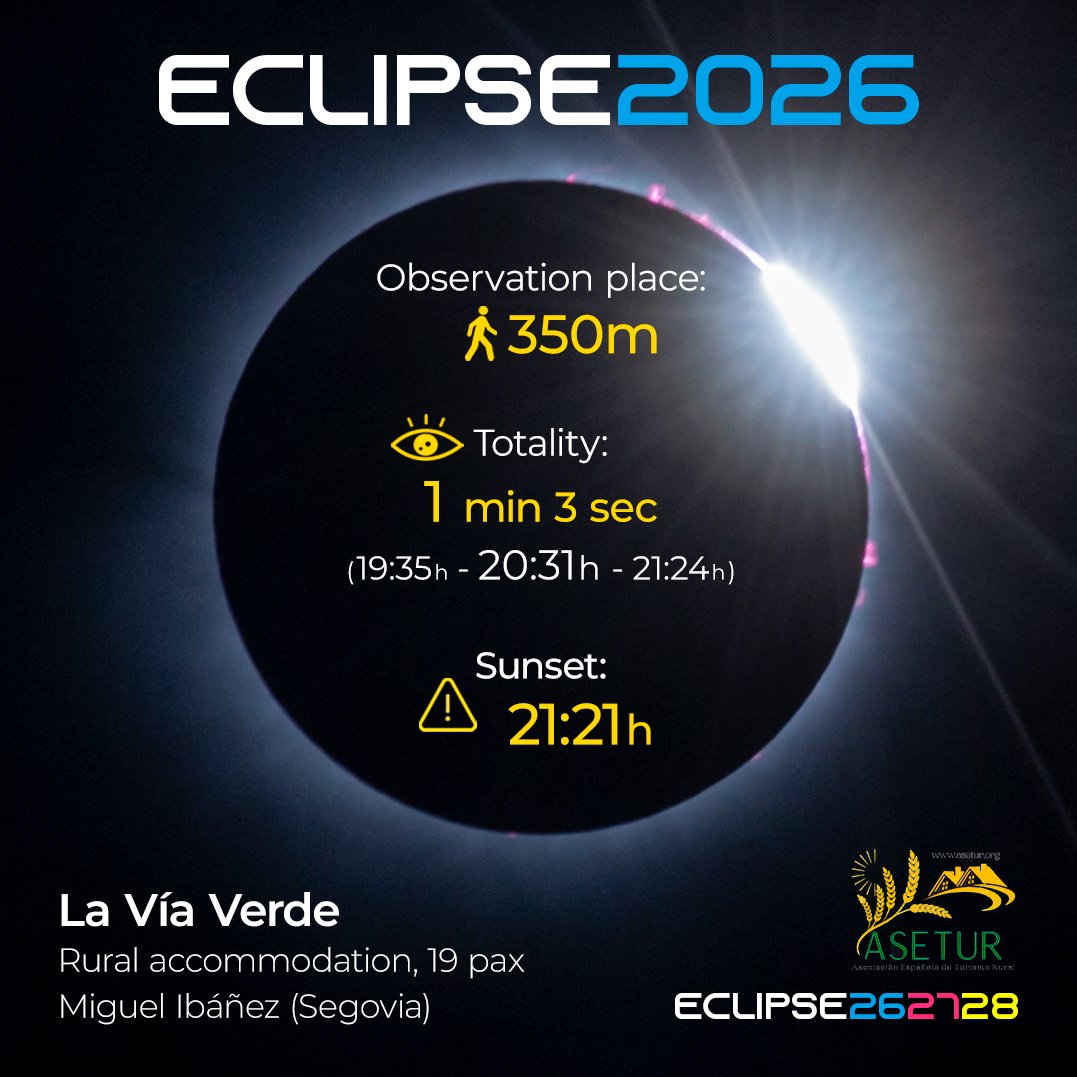
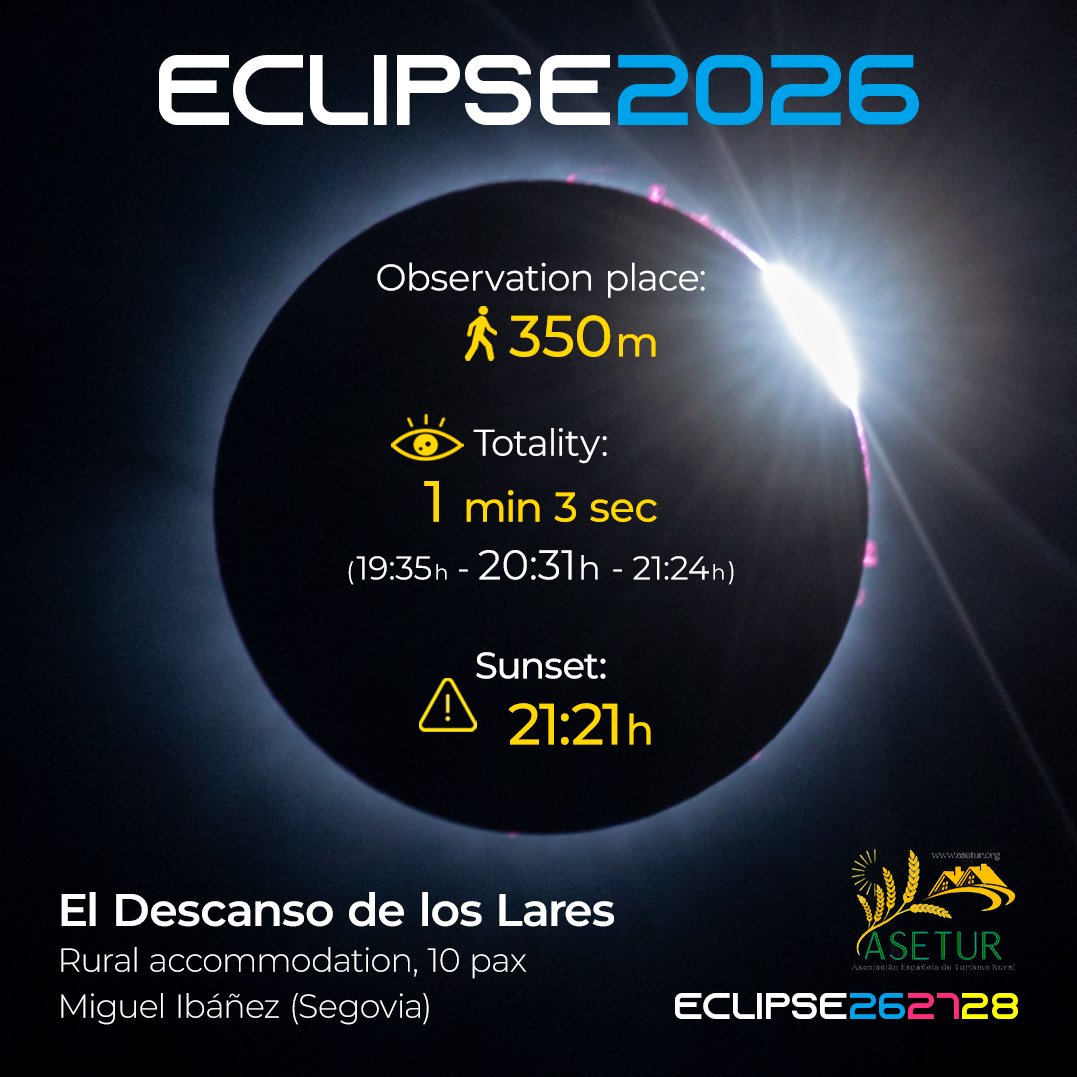
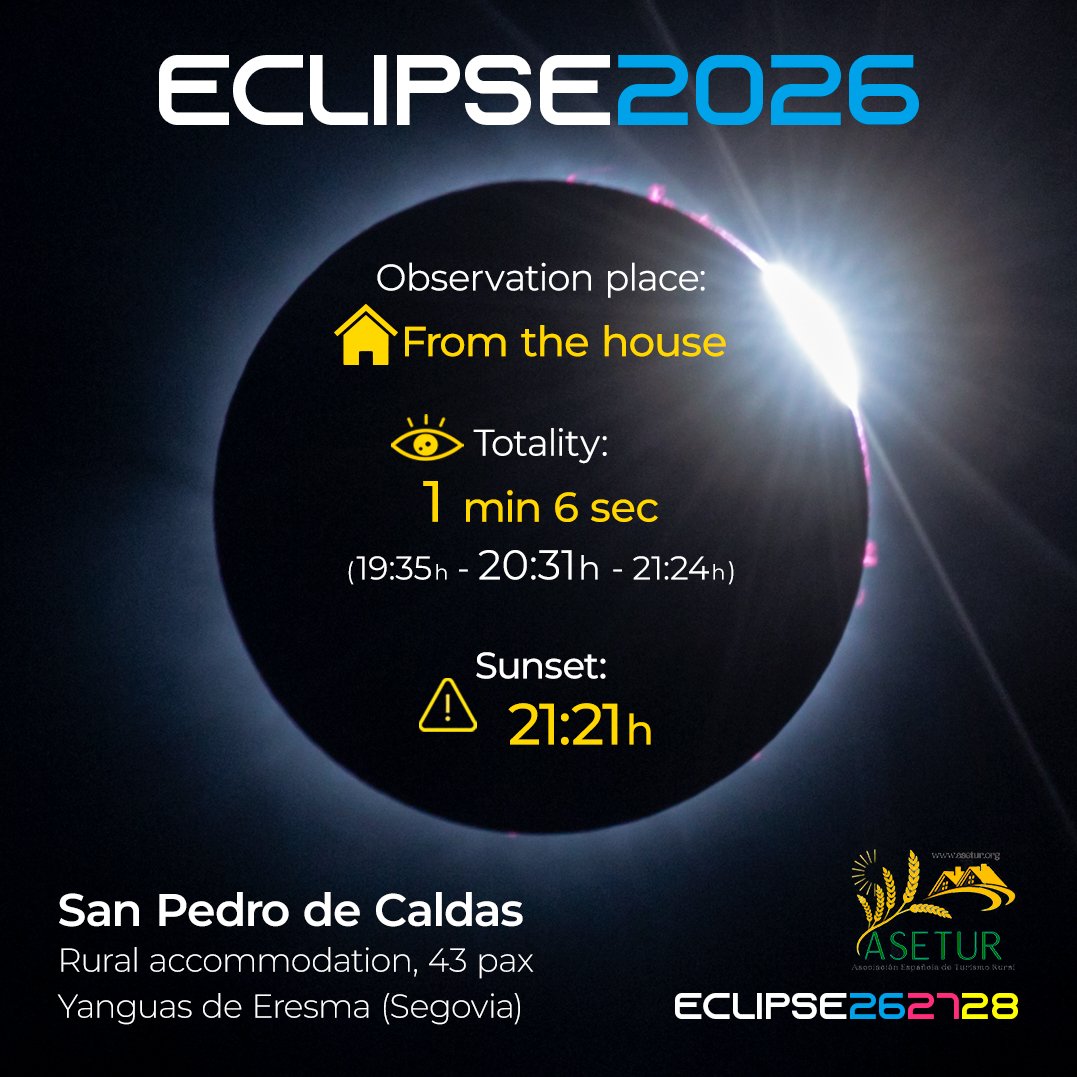
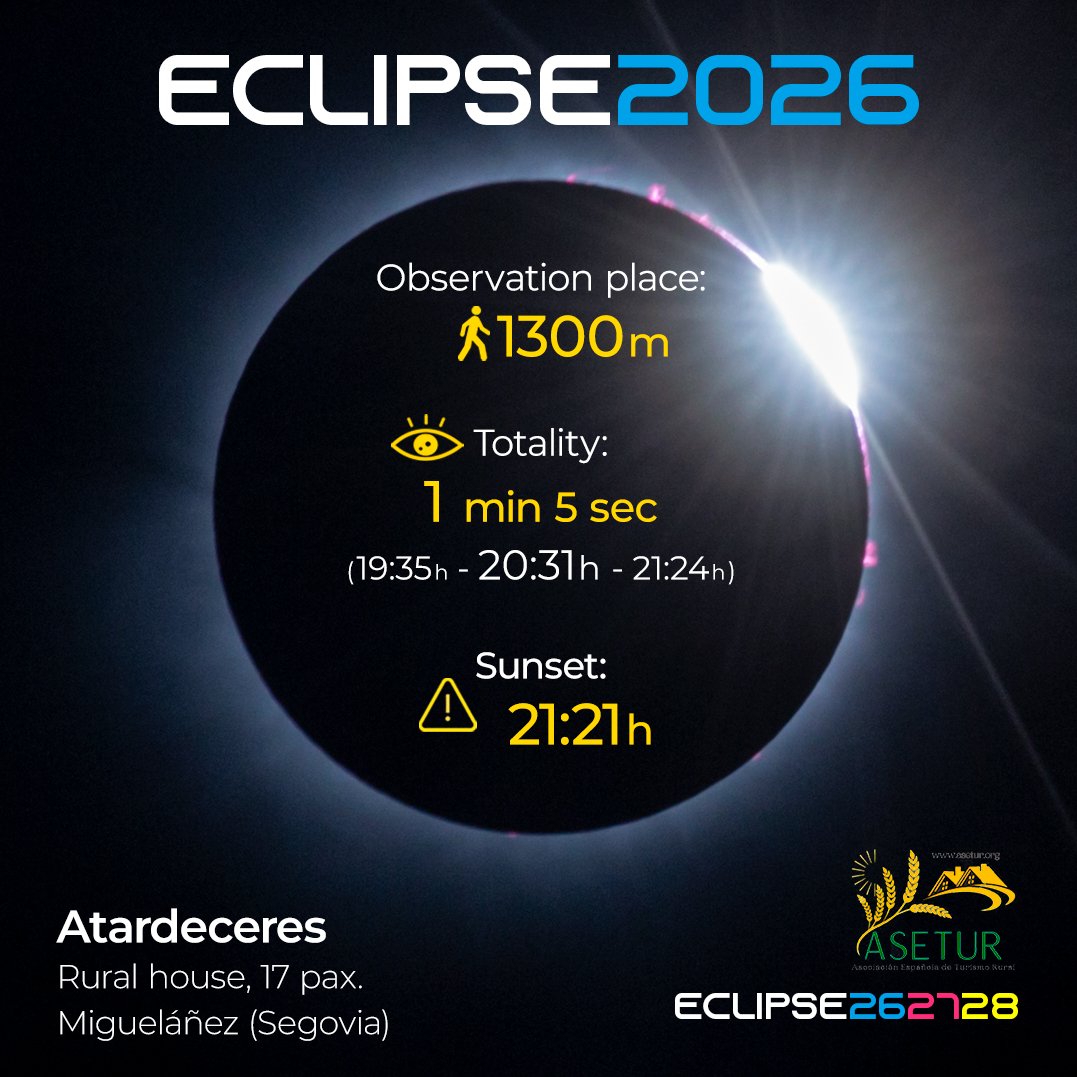






Eclipse of Spain and president of Aster, Agrupació Astronòmica de Barcelona
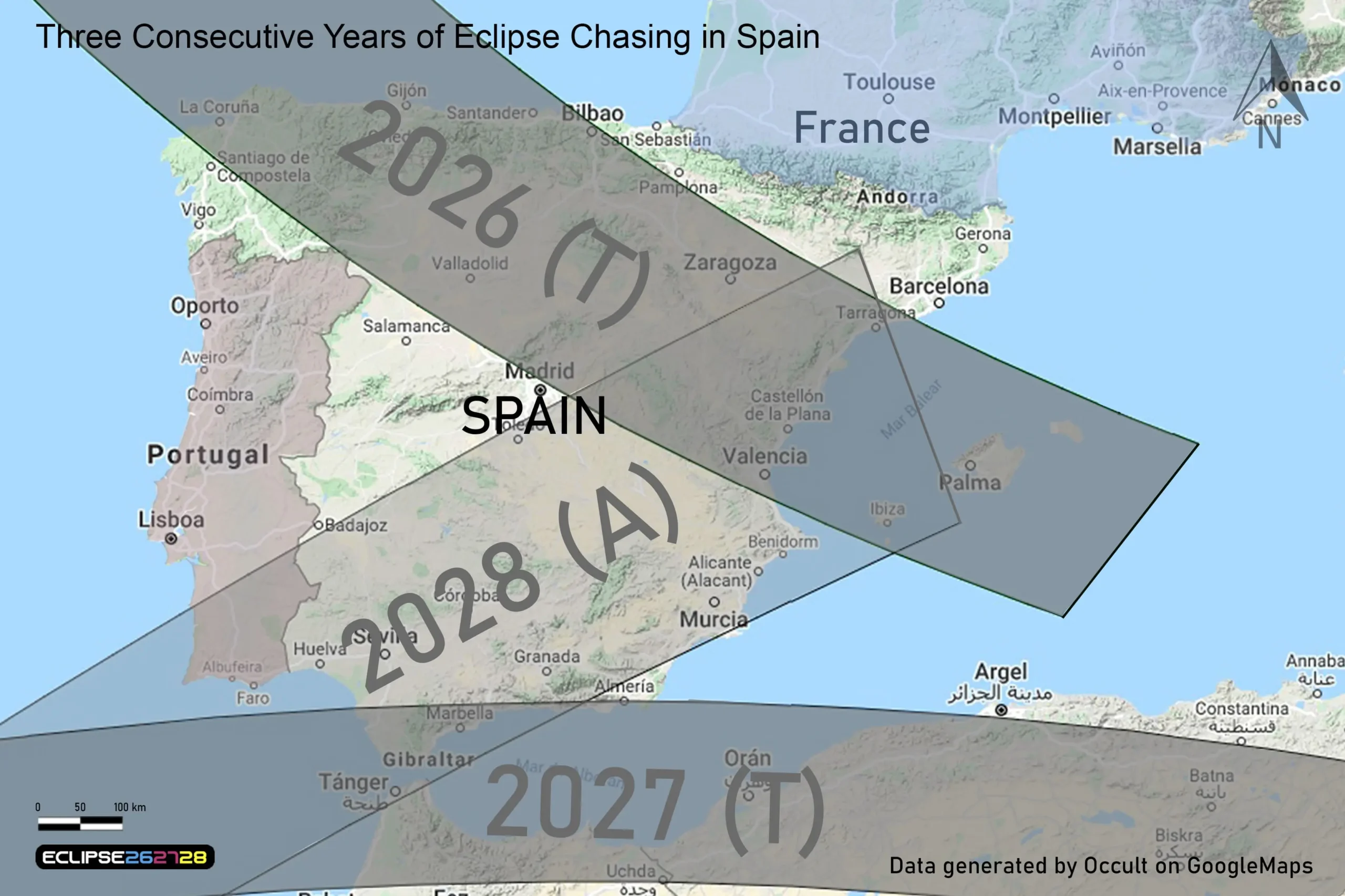
Solar eclipses are, without a doubt, one of the most spectacular and beautiful events that can be observed in Nature. In the coming years 2026, 2027 and 2028 we will be able to enjoy their observation in the Iberian Peninsula. The eclipse262728 project is making a great contribution to the dissemination of these events and of Astronomy in general, while helping to boost tourism in the areas where they can be observed

"I have loved training and collaborating with eclipse262728. The Eclipse of Mexico 2024 is already an unforgettable memory for me. The best point to be featured is that it was a mix of great work and good humor."

During the Mexico 2024 eclipse tour, we felt safe at all times and we appreciate the careful organization that Eclipse262728 made, so that we only had to worry about enjoying the visits that had been scheduled for us at all times and the observation site that, in addition to being perfect astronomically speaking, was a jewel of nature. All of us who shared the experience agreed that it was unforgettable and that our organizer did an extraordinary job. Logically, this experience creates a special bond in the group. We can assure you that everyone should witness it at least once in their life.









 What is a solar eclipse?
A solar eclipse occurs when the Moon comes between the Earth and the Sun, partially or completely blocking sunlight and casting a shadow on the Earth. This can cause the day to temporarily darken in areas where the Moon's shadow falls.
 How often does a solar eclipse occur?
Solar eclipses occur between 2 and 5 times a year in different parts of the world. However, total solar eclipses are much rarer, and their visibility depends on the location.
 Is it safe to watch a solar eclipse with the naked eye?
No, looking directly at the Sun without proper protection can cause severe damage to the retina. The only exception is during the brief period of totality in a total solar eclipse, when you can look without protection.
 How can I safely observe a solar eclipse?
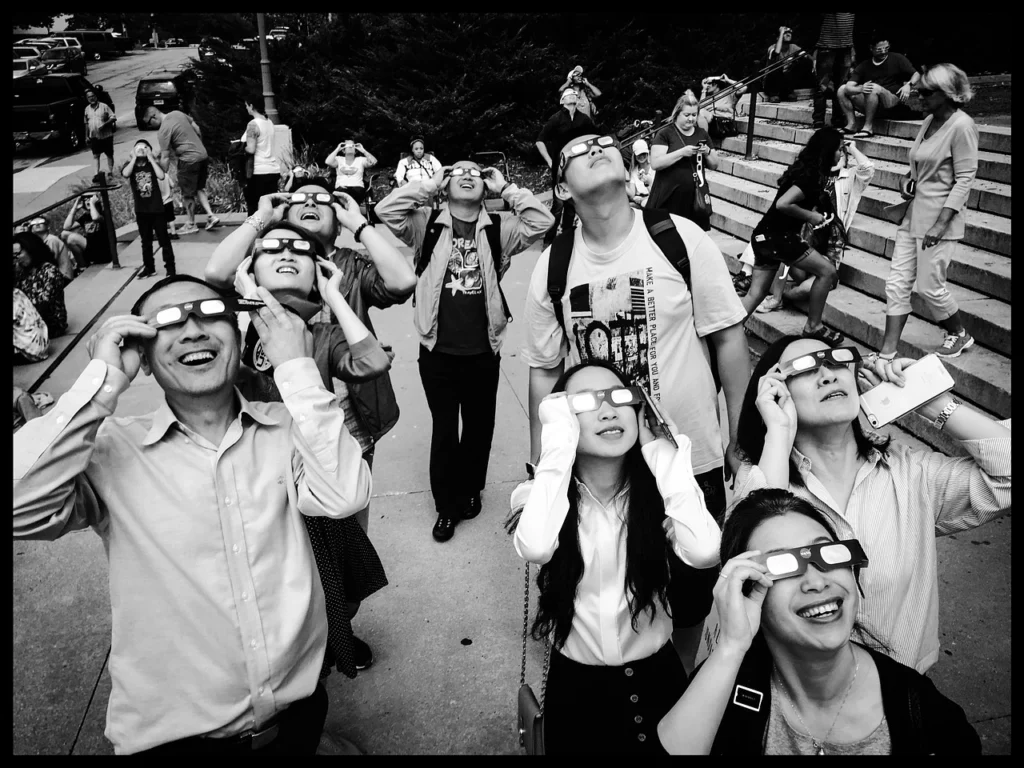
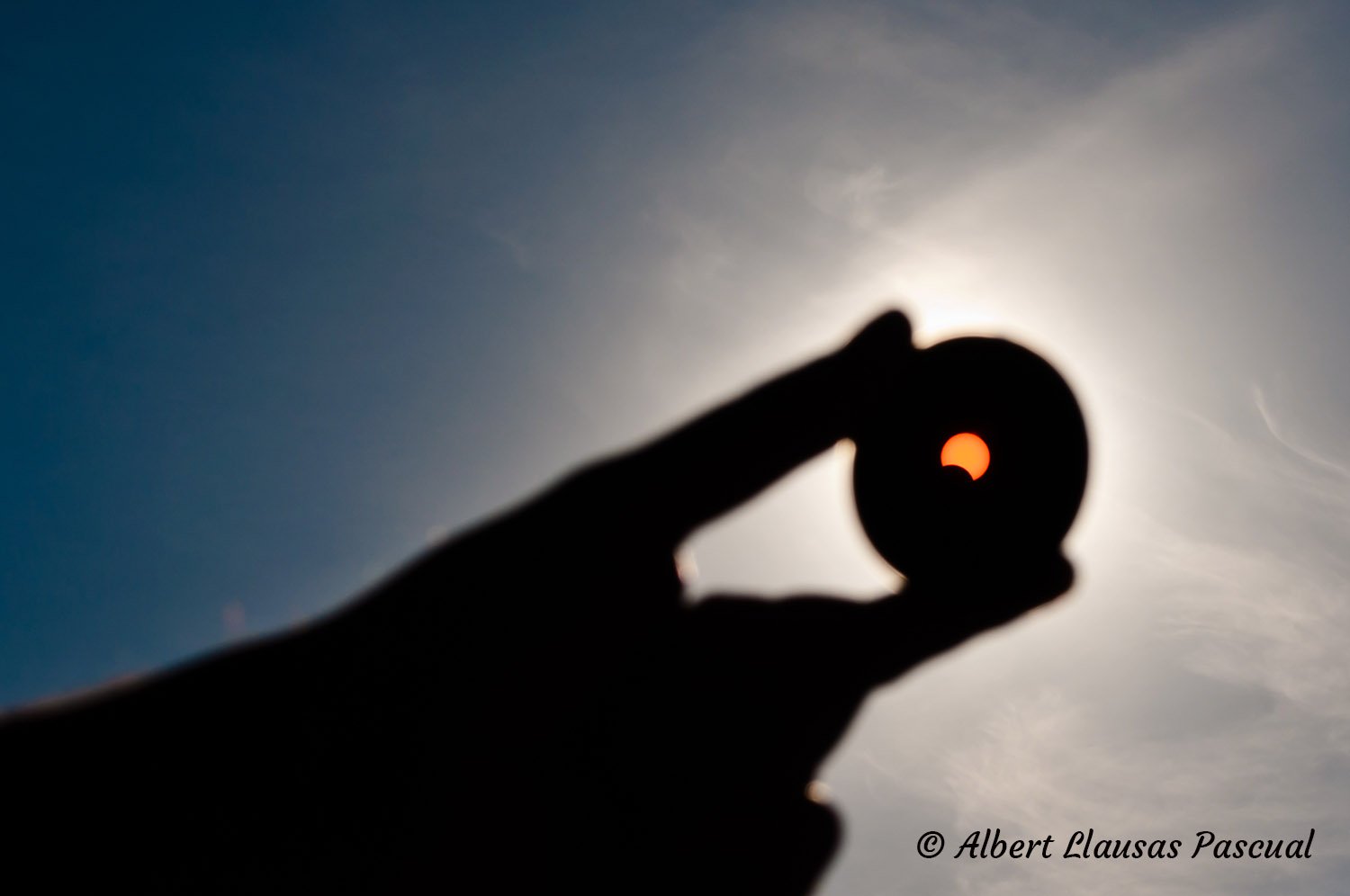
To safely observe a solar eclipse, use special glasses that comply with ISO 12312-2, or use indirect projection methods such as a pinhole box. Never use ordinary sunglasses or inappropriate filters.
 What happens during a total solar eclipse?
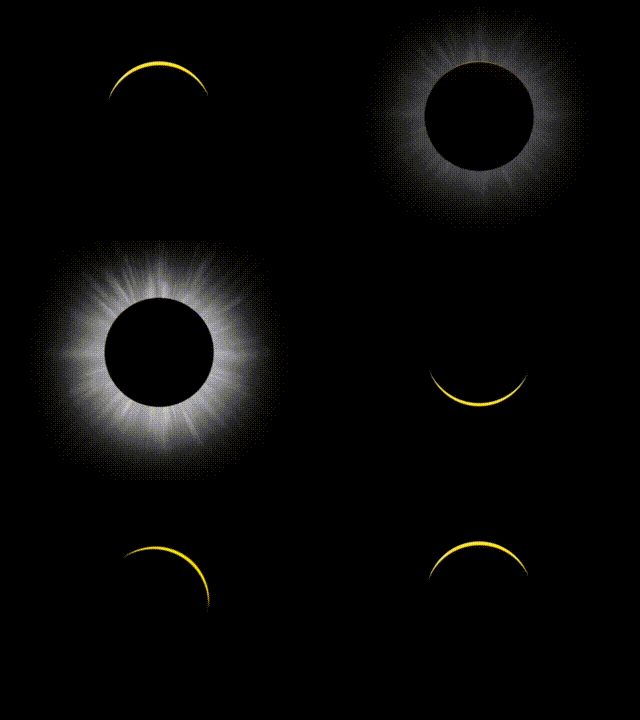
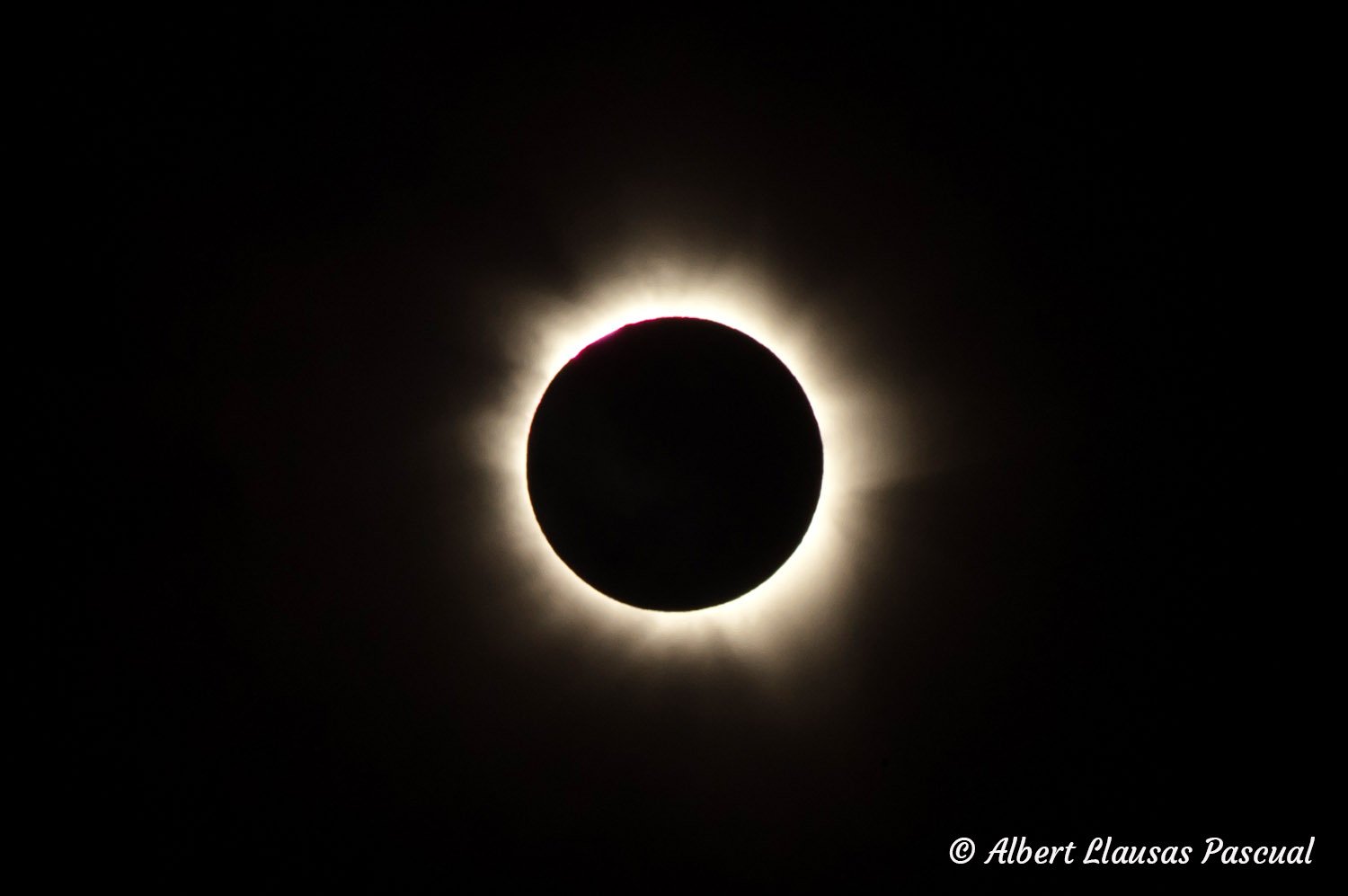
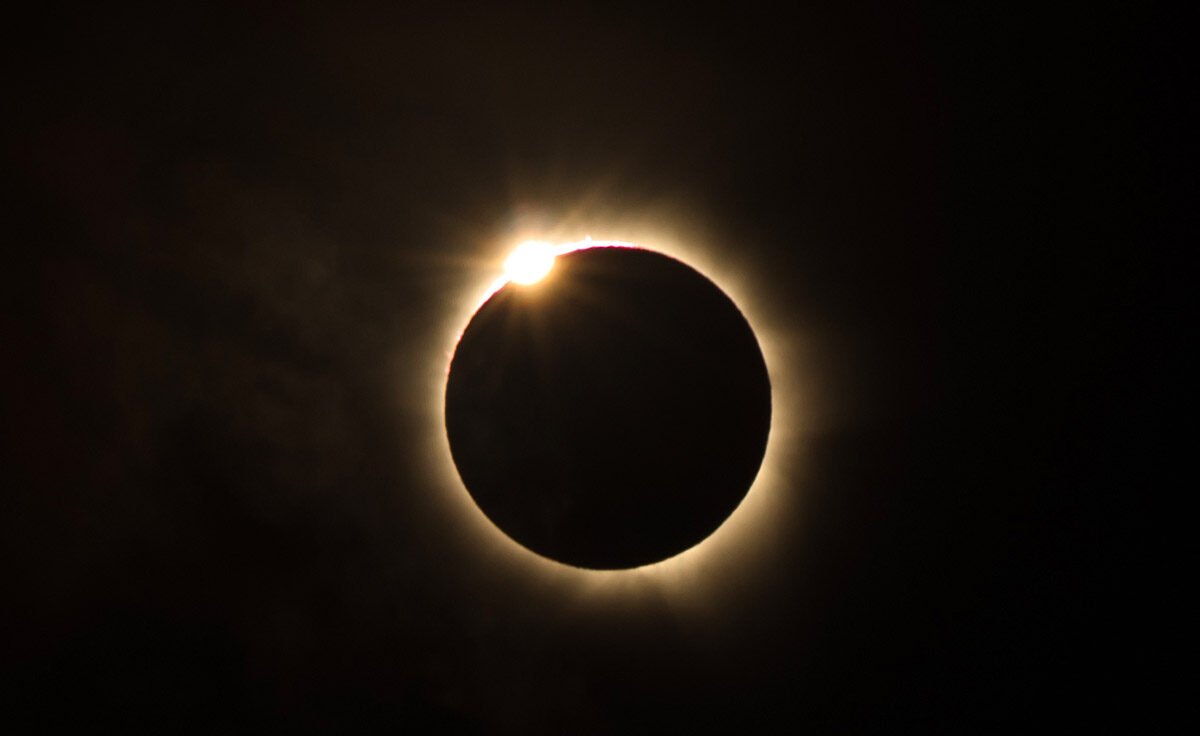
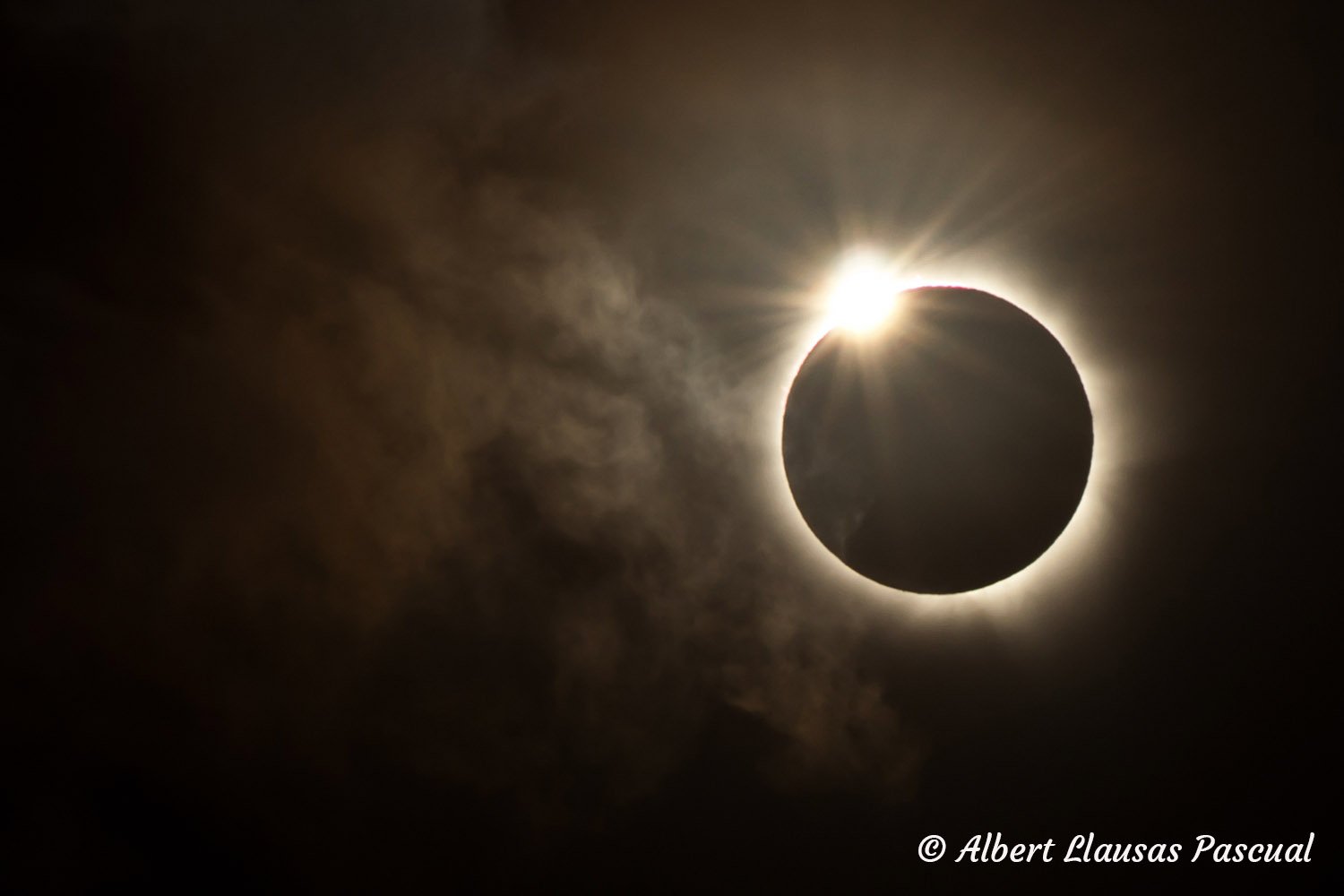
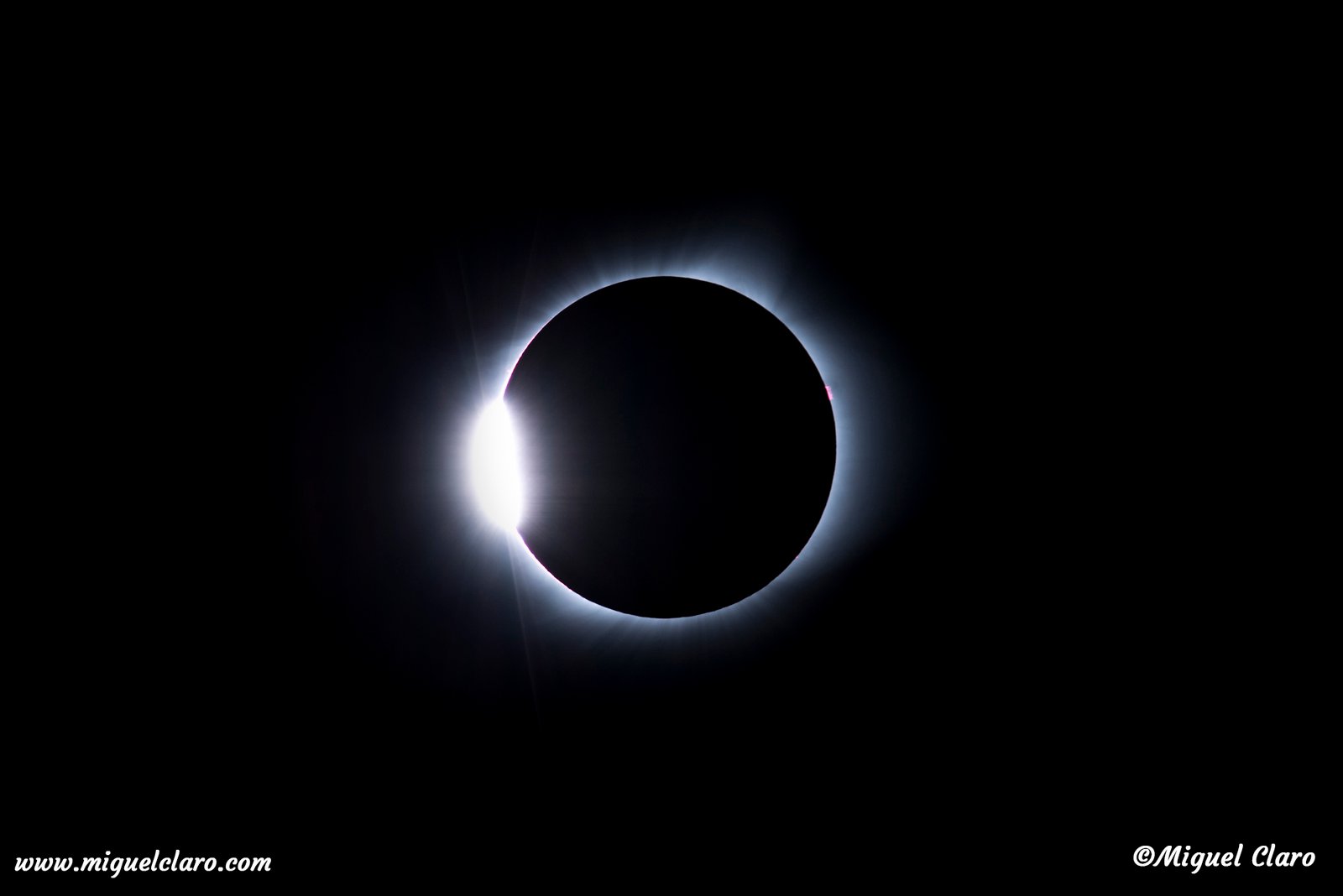
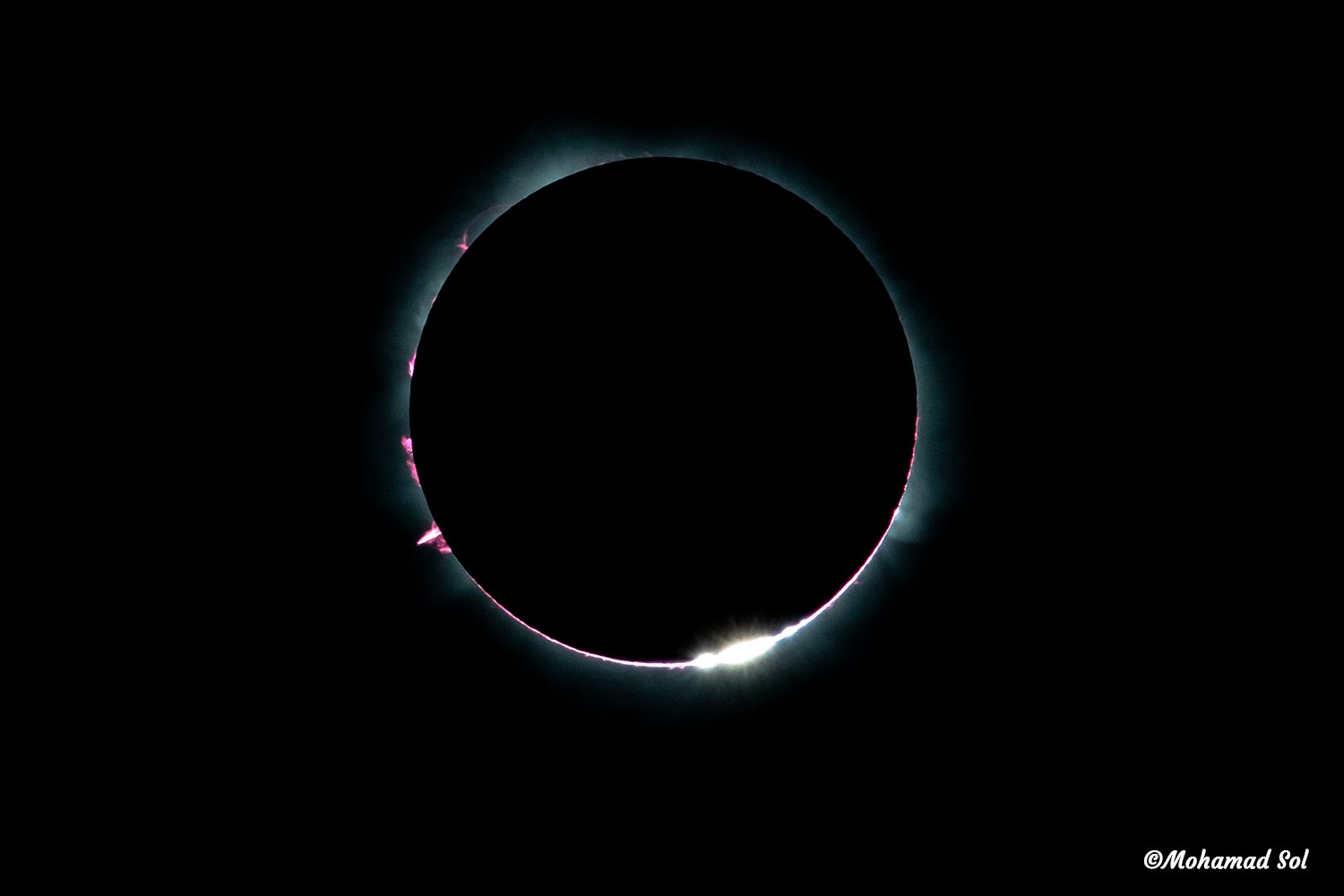
During a total solar eclipse, the Moon completely covers the Sun, darkening the sky in broad daylight and causing a temporary drop in temperature. It is a unique moment when the Sun's outer atmosphere, known as the corona, can be observed.
 What is the "path of totality" and why is it important?
The path of totality is the strip of the Earth where a total solar eclipse can be observed. Outside this strip, only a partial eclipse can be seen. To fully experience a total eclipse, you need to be within this strip.